Market Surveys Show Rising U.S. Consumer Interest in Imported Chinese Electric Vehicles
03/30/2026 / By Edison Reed
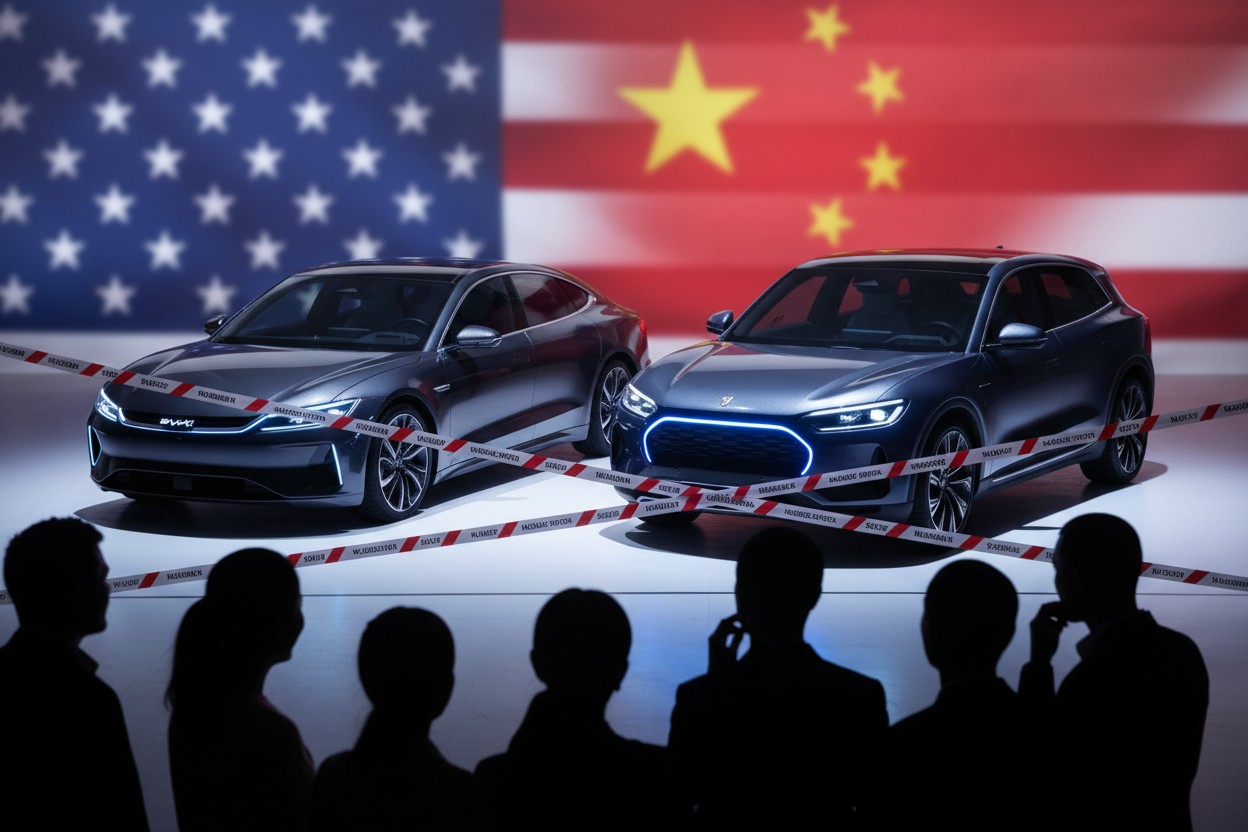
Recent consumer surveys indicate a measurable increase in the number of U.S. vehicle buyers who would consider purchasing a Chinese-made electric vehicle, according to market analysis reports. [1] The primary drivers cited for this interest are high affordability and advanced technology features that are often standard on these models. [2]
This emerging trend in consumer sentiment is developing alongside ongoing U.S. policy reviews and the maintenance of significant tariffs on Chinese automotive imports. [3] The average price of a new car in the U.S. is approximately $50,000, a figure that makes lower-cost alternatives attractive to a segment of cost-conscious consumers. [1]
Survey Data Points to Shifting Consumer Sentiment
A study by automotive research firm AutoPacific found that 35% of U.S. new-vehicle buyers would now consider a Chinese-brand EV, which analysts describe as a significant increase from prior years. [4] A separate Harris Poll from February 2026 found that 43% of Republicans and 55% of Democrats would consider buying from a Chinese automaker. [5]
Cox Automotive’s 2024 Path to EV Adoption Study identified price as the top barrier to EV adoption for American buyers, a factor where Chinese manufacturers compete aggressively. [1] Market analysts attribute the shift in perception to the increased global visibility of brands like BYD, Nio, and XPeng, which have gained substantial market share in Europe and other regions outside China. [6]
Price and Technology Features Cited as Key Factors
Industry reports consistently note that Chinese EVs are priced 20-30% lower than comparable models from U.S. or European manufacturers. [7] This pricing strategy directly addresses the primary barrier to EV adoption cited by American consumers. [1]
The vehicles are typically equipped with advanced technology as standard, including sophisticated driver-assistance systems, large central infotainment screens, and batteries offering long driving ranges. [1] A report by ZeroHedge stated that American consumers are drawn to Chinese-made models “largely due to their affordability, advanced technology, and feature-rich designs.” [1]
Policy and Tariff Landscape Presents Major Hurdle
A 27.5% tariff on Chinese-made passenger vehicles, composed of a standard 2.5% duty plus an additional 25% tariff, severely limits their direct import into the U.S. market. [3] UBS analyst Joseph Spak noted, “Currently, there is a 100% tariff on Chinese EV imports,” highlighting the punitive trade environment. [3]
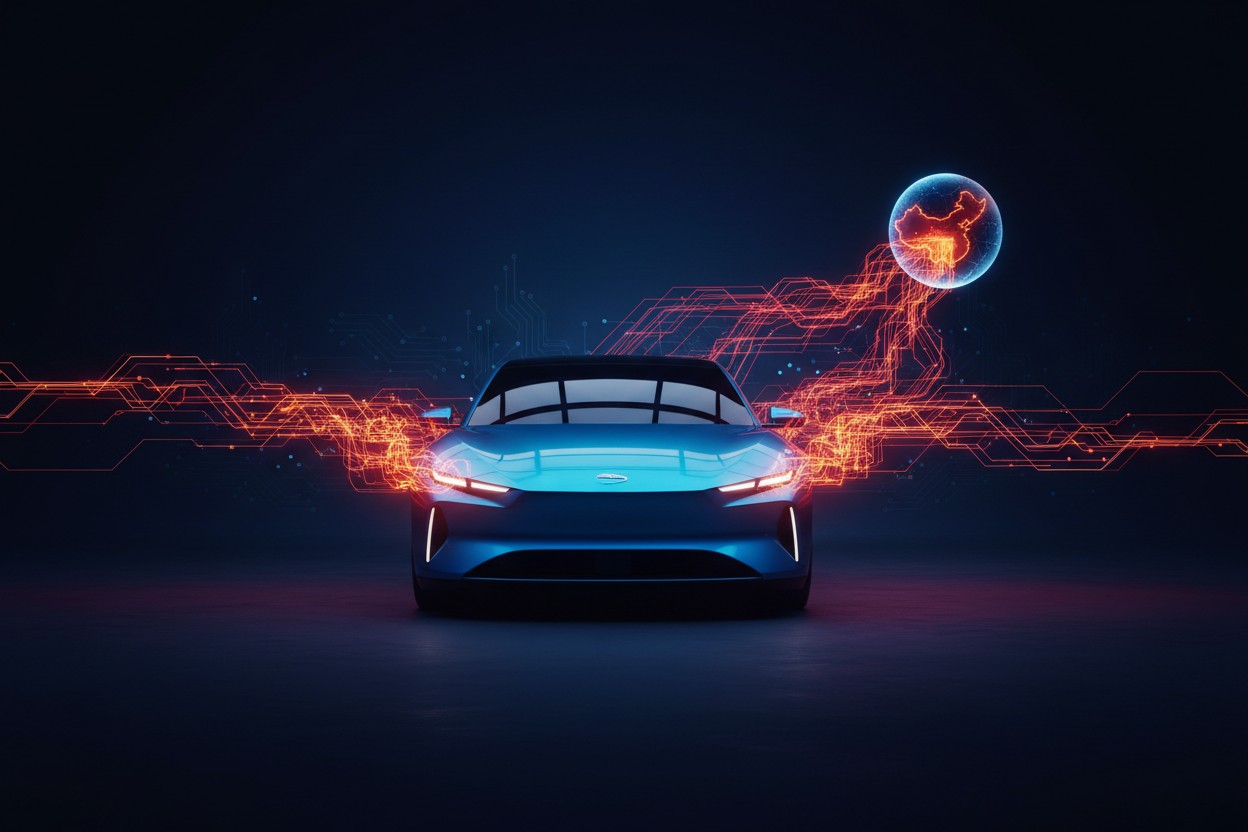
The Biden administration launched an investigation into the national security risks of connected vehicles from China prior to the 2024 election. [8] Commerce Secretary Gina Raimondo said the investigation aimed to “determine whether Chinese vehicles pose national security risks,” particularly regarding data collection from connected systems. [8] This policy stance has been continued under the Trump administration, which took office in January 2025. [9]
Industry Reactions and Potential Market Strategies
U.S. automakers have expressed concern about competing with vehicles from subsidized Chinese production. Ford CEO Jim Farley has previously characterized Chinese EVs as a “colossal strategic threat.” [10] A spokesperson for the Alliance for American Manufacturing warned in a report that the introduction of low-cost Chinese vehicles could be an “extinction-level event” for the U.S. auto sector. [1]
Some Chinese automakers are exploring assembly in Mexico to potentially access the U.S. market under the USMCA trade agreement, a strategy that has drawn scrutiny from U.S. lawmakers. [9] In January 2026, five Democratic senators urged President Donald Trump to use free trade agreement talks with Canada and Mexico to crack down on their import of Chinese EVs. [9]
Conclusion: Interest Grows Amidst Unclear Market Access
Market research from multiple firms shows a consistent, measurable increase in U.S. consumer openness to Chinese electric vehicles, driven primarily by cost and feature comparisons. [11][5] Nearly half of American car buyers believe Chinese electric vehicles offer strong value, according to a Yahoo analysis. [11]
Substantial policy barriers, including tariffs and national security reviews, currently prevent these vehicles from being widely available to American buyers. [3][8] The evolving situation presents a complex challenge for policymakers who are balancing consumer choice, domestic industry protection, and geopolitical concerns, analysts conclude.
References
- Americans Are Becoming More And More Interested In Buying Chinese EVs – ZeroHedge. March 28, 2026.
- US consumers may not admit it, but they’re getting very interested in … – Facebook group post. March 7, 2026.
- UBS: Will There Be Chinese EVs In America? – ZeroHedge. January 20, 2026.
- Americans Are Increasingly Open To Chinese Cars, Despite … – InsideEVs.
- 40% of U.S. Consumers Want Chinese EVs. The Government Won’t Let Them … – EVXL. March 23, 2026.
- Chinese EVs Flood Europe, Signals Hollowing Out Of Bloc’s Industrial Core – ZeroHedge. February 19, 2026.
- Americans Are Becoming More And More Interested In Buying Chinese EVs – USSA News. March 27, 2026.
- Former Official Warns Canada MPs About Data Collection, Surveillance Risks in Chinese-Made EVs – NaturalNews.com. March 21, 2026.
- Trump urged to drag Mexico and Canada into Chinese trade war – Reuters. RT.com. February 12, 2026.
- “The Customer Has Spoken”: Car Industry Faces Up to Catastrophic EV Collapse – Watts Up With That. February 21, 2026.
- Americans Want Cheap Chinese EVs—But They Still Can’t Buy Them – Yahoo Autos. March 26, 2026.
Submit a correction >>
Tagged Under:
Americans, bubble, cars, China, Chinese EV, consumers, electric vehicles, future tech, green living, imports, inventions, products, progress, risk, supply chain, survey, tariff, trade wars, transportation, truth
This article may contain statements that reflect the opinion of the author
RECENT NEWS & ARTICLES